What I learned losing a million dollars by Jim Paul

Book Summary: What I Learned Losing a Million Dollars

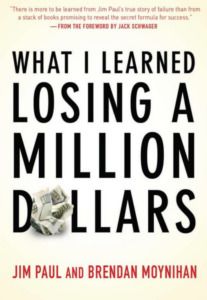
“What I learned losing a million dollars” covers the iconic rise and fall of Jim Paul in the Chicago Mercantile Exchange as a trader.

Thinking In Bets by Annie Duke

Book Summary: Thinking In Bets by Annie Duke

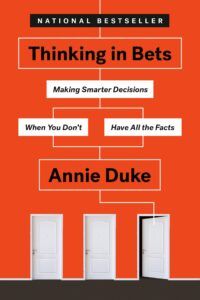
Thinking In Bets is a book by professional poker player Annie Duke. Its a book about better decision making under uncertainty.

The Psychology of Money by Morgan Housel

Book summary: The Psychology of Money by Morgan Housel

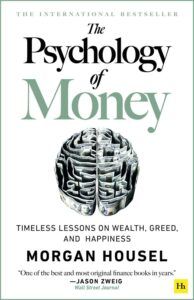
The book is a great read about how money and wealth are acquired, preserved, and lost. And that too not because of the market but because of the individual’s psychology.

Everybody Lies

Book Summary - Everybody Lies

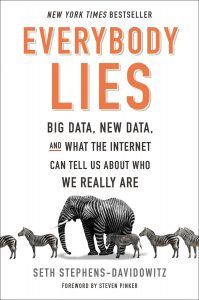
The book takes a data-driven approach to analyze the world.

Fooled by Randomness

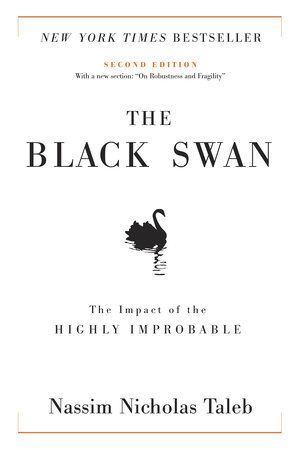
Book Summary: The Black Swan by Nassim Nicolas Taleb

The book posits a unique viewpoint to understand randomness and unpredictability in the world around us. Rather than trying to predict the improbable black swans, it focuses more on how not to be adversely impacted by them.

Made to Stick by Chip Heath and Dan Heath

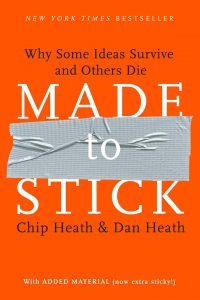
Book summary: Made to Stick by Chip Heath and Dan Heath

The book is aimed at anyone who has an idea to convey and is trying to ensure that what they are trying to communicate sticks with their audience. Proverbs and folklores survive while corporate marketing material does not.

The subtle art of not giving a f*ck by Mark Manson

Book summary: The Subtle Art of Not Giving a F*ck

The book presents an interesting viewpoint on the meaning of life, questioning traditional self-help gurus, consumerism, and over-obsession with positive thinking.

Random? or not?

Book summary: Fooled by Randomness by Nassim Nicholas Taleb

The book talks about randomness, associated maths, and the psychological biases which interfere with a more stochastic approach to thinking about life.

Brandwashed

Book summary: Brandwashed by Martin Lindstorm

The book talks about Martin’s experience as a brand consultant where he tries to expose the subtleties of marketing used by corporations to create or increase demand for their products. Some techniques mentioned in the book are morally questionable. Overall, it’s a great read into at the intersection of psychology and business. I would recommend reading this in conjunction with “Influence: The Psychology of Persuasion”

Why KBB overprices cars

KBB is used in the US for estimating the value of a used car before buying/selling it. While helping friends buy used cars, I felt that it always overvalued the car. I feel there is an anchoring effect in play here. A car owner (seller) feels happier checking the value of their car since it is being reported higher than what they expect. This provides a nice room for providing a discount for converting the buyer. A buyer, especially a first-time one, would feel happier since they are getting a discount on the KBB value. If instead KBB rightly priced the cars, it would leave no room for negotiation, leading to lower conversions. Thus, despite having no direct incentives, KBB would be inclined towards overvaluation. I wonder if the same thing applies for home-buying sites like Zillow and Trulia.