Skin in the game

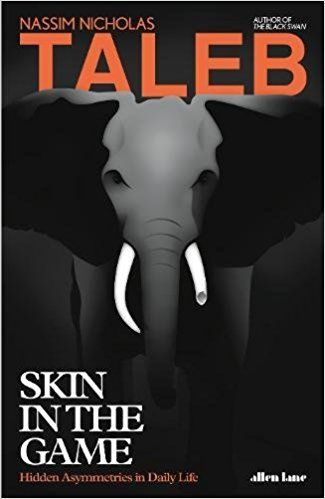
Book summary: Skin in the game by Nassim Nicolas Taleb

Skin in the game Skin in the game creates a diversity of beliefs and ideas, for example, restaurant businesses. Lack of it creates a monoculture, for example, journalism. Skin in the game comes with a conflict of interest. For example, a shareholder is more inclined to say positive things about the company, whose shares he holds. Even then, skin in the game is preferable over no skin in the game. A lack of skin in the game, usually, produces a monoculture of beliefs. Bureaucrats, with no skin the game, usually make the problems worse by deciding things from the top. Beware of “good” advice where you will get both the good and the adverse outcomes of that advice while the advice-giver will only get a good result. Metrics puts one’s skin in the wrong game. For example, a doctor who has to optimize for a five-year survival rate of a cancer patient might go for radiation therapy as opposed to laser surgery even though radiation therapy has worse 20-year survival rates. Pilots have more skin in the game than surgeons. If a plane has a 98% chance of surviving a flight, then all pilots would have been dead for now, while medical science can operate with a much lower survival rate since skin in the game is primarily of the patients and much lower of surgeons. An academic experiment where one is supposed to wager a bet and hypothetically believe in a specific scenario is devoid of real risk and hence devoid of skin in the game. Academia, when left unchecked, for the lack of skin in the game, evolves into a ritualistic self-referential publishing game.
How not to be wrong

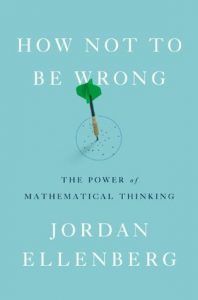
Book summary: How not to be wrong by Jordan Ellenberg

The book focuses on the application of simple and profound maths to day-to-day life and how not to be deceived by mathematical traps.

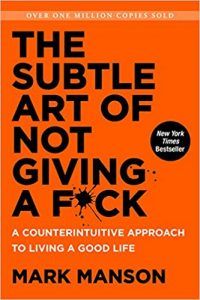
The subtle art of not giving a f*ck by Mark Manson

Book summary: The subtle art of not giving a f*ck by Mark Manson

The book presents an interesting viewpoint on the meaning of life, questioning traditional self-help gurus, consumerism, and over-obsession with positive thinking.

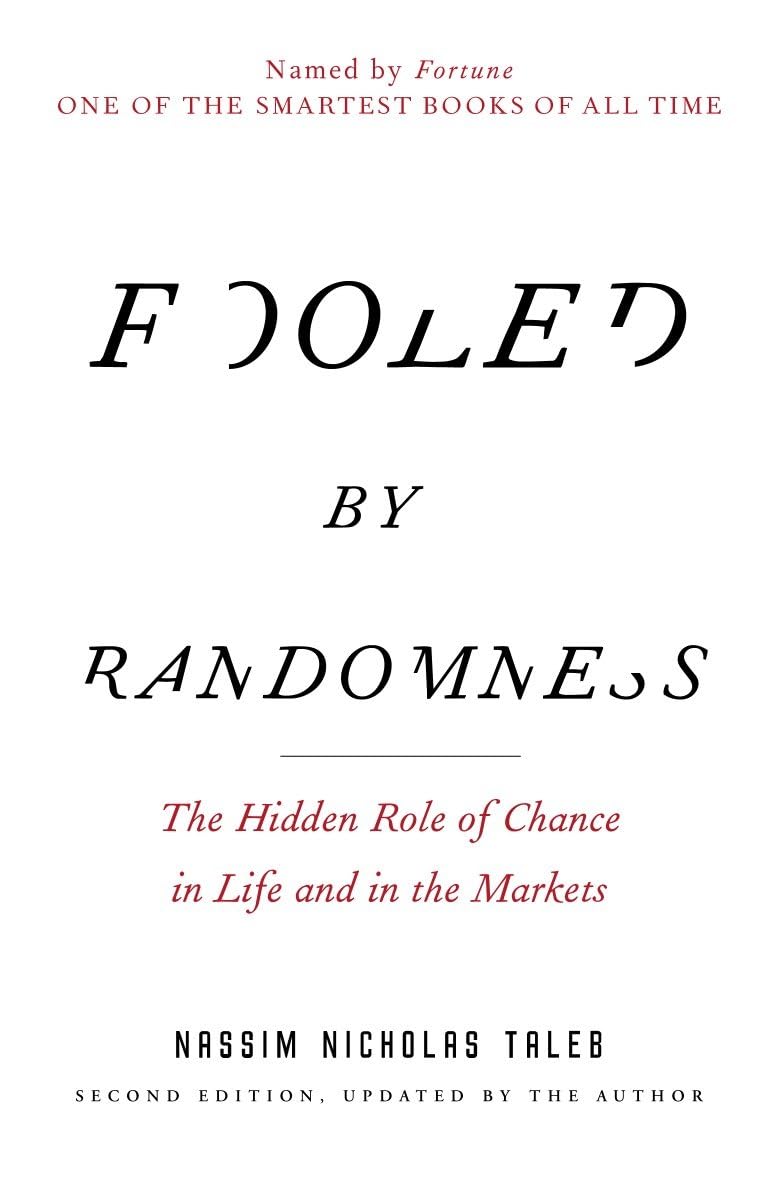
Random? or not?

Book summary: Fooled by Randomness by Nassim Nicholas Taleb

The book talks about randomness, associated maths, and the psychological biases which interfere with a more stochastic approach to thinking about life.

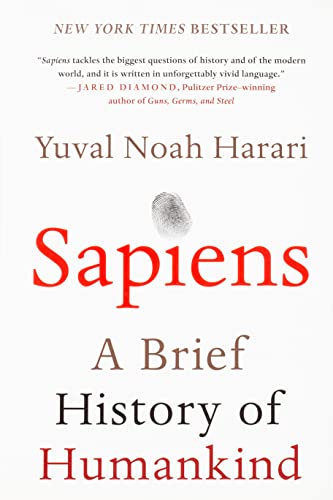
Sapiens: A brief history of Humankind

Book Summary: Sapiens: A brief history of Humankind

The book provides a scientific perspective on the history of how humans came to dominate the planet. The book’s biggest focus is on the three revolutions the cognitive revolution which started 70, 000 years ago; the agricultural revolution which started 12, 000 years ago; and the scientific revolution which started 500 years ago and shaped the destiny of our species and the planet.

Brandwashed

Book summary: Brandwashed by Martin Lindstorm

The book talks about Martin’s experience as a brand consultant where he tries to expose the subtleties of marketing used by corporations to create or increase demand for their products. Some techniques mentioned in the book are morally questionable. Overall, it’s a great read into at the intersection of psychology and business. I would recommend reading this in conjunction with “Influence: The Psychology of Persuasion”

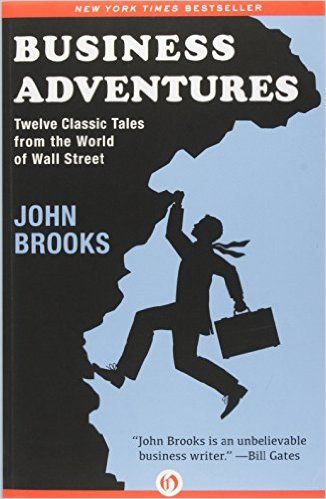
Business Adventures" by John Brooks

Book summary: "Business Adventures" by John Brooks

The book is rated as the best business book by both Bill Gates and Warren Buffett.

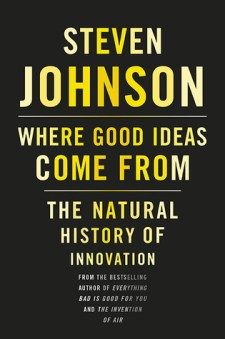
Where good ideas come from

Book summary: "Where good ideas come from" by Steven Johnson

The book presents a robust theoretical framework around how good ideas emerged in human history and debunking myths associated with the same. The underlying theme of the book is how coral reefs, big cities, and the worldwide web provide the right platform for innovation. The right platform for innovation provides liquid networks that encourage rapid information sharing, serendipitous encounters, the formation of slow hunches, the exploration of the adjacent possible, and the exaptation of existing solutions for solving seemingly unrelated problems.

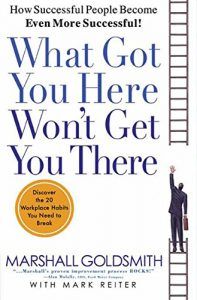
What got you here won't get you there by Marshall Goldsmith

What got you here won't get you there by Marshall Goldsmith

The book presents Goldsmith’s experience on what causes the most talented, ambitious, and successful professional to hit a career roadblock. Almost all the professionals which Goldsmith worked with had interpersonal issues of one form of the other which either didn’t matter in the early phases of their career or the professionals were so talented that they progressed despite those issues. Put a comma in the wrong place and the whole sentence is screwed up. ...

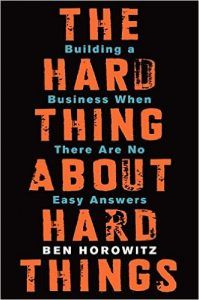
Hard Things about Hard Things by Ben Horowitz

Book Summary: Hard Things about Hard Things by Ben Horowitz

The book is Ben Horowitz’s memoir with a particular focus on his company Opsware and the lessons he learned there.