Book summary: The Natural Baby Sleep Solution by Polly Moore

The natural baby sleep solution is an interesting book on the baby’s sleep patterns. BRAC, Basic Rest and Activity cycle of 90-120 minutes decides the sleep and wake times for everyone. This is especially useful for babies, who would be active for about 90 minutes and then need to sleep or slow down. Too much stimulation near sleep time can delay sleep and have adverse effects on cognitive development of the baby. Unlike adults, babies cannot easily fall asleep on their own till the age of 6 months. 6 to 8 months is the best time to sleep train a baby with either Feber method or cry-it-out method, which involves letting the baby cry for a certain amount of time before comforting them. The suprachiasmatic nucleus (SCN) regulates all body clocks, including the sleep-wake cycle and even hormonal cycles in women. NAPS plan - Note the time baby wakes up. Add 90 minutes to it. Play/feed with the baby. Soothe the baby at 90 minutes to make him fall asleep. Use red bulbs in the baby’s room to avoid stimulating them with blue light. If you feed the baby whenever he wakes up at night. Then the baby would get conditioned to food at that time. And then it would be impossible for the baby to sleep without food at that time. A 6+ month-old baby should be able to sleep through the night without food. They should get the calories they need during the day. A baby who is being put to sleep in the middle of the alertness cycle will not sleep regardless of how sleepy he might be. Some babies are early morning larks. Some are night owls. Usually, babies are larks till their teenage years. An 8-9-month-old baby might stand up in the crib. The novelty of standing would die down in a few weeks, though. The most important lesson is that the baby always functions according to 90-minutes cycle when awake. For the first 3-6 months, the baby needs a nap every 90 minutes. For the next 6-12 months, the baby needs a nap every 180 or 270 minutes. How long they sleep will vary from child to child, though.
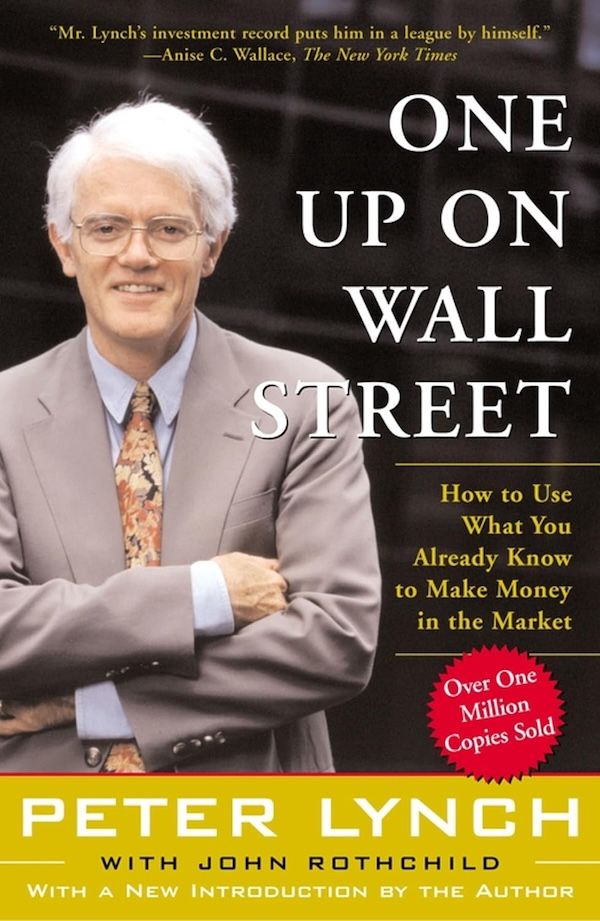
One up on Wall Street

Book Summary: One up on Wall Street by Peter Lynch

One up on Wall Street by Peter Lynch is an impressive book about fundamental analysis for stock picking. Following is my terse summary of the same. Emphasis on Fundamental Analysis Look around for companies that are performing well and invest in them before Wall Street institutional investors pick them In the long run, common stocks give the best rate of returns Only basic math is needed to analyze and pick stocks “Don’t gamble, invest your savings to buy good stocks and hold them till they go up and then sell them. If it doesn’t go up, don’t buy it” Investing directly in common stocks is a seven-card stud-poker hand Rules of investing in the market Buy a home (≠ house) before stocks Only invest what you can afford to lose (without impacting your daily life) Patience, Common sense, and willingness to do independent research Ignore short-term fluctuations There is nothing called a good or bad market Predictions are futile ...

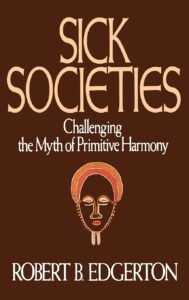
Sick Societies

Book summary: Sick Societies by Robert B. Edgerton

This book seems to address the myth that primitive societies are more harmonious than our present societies.

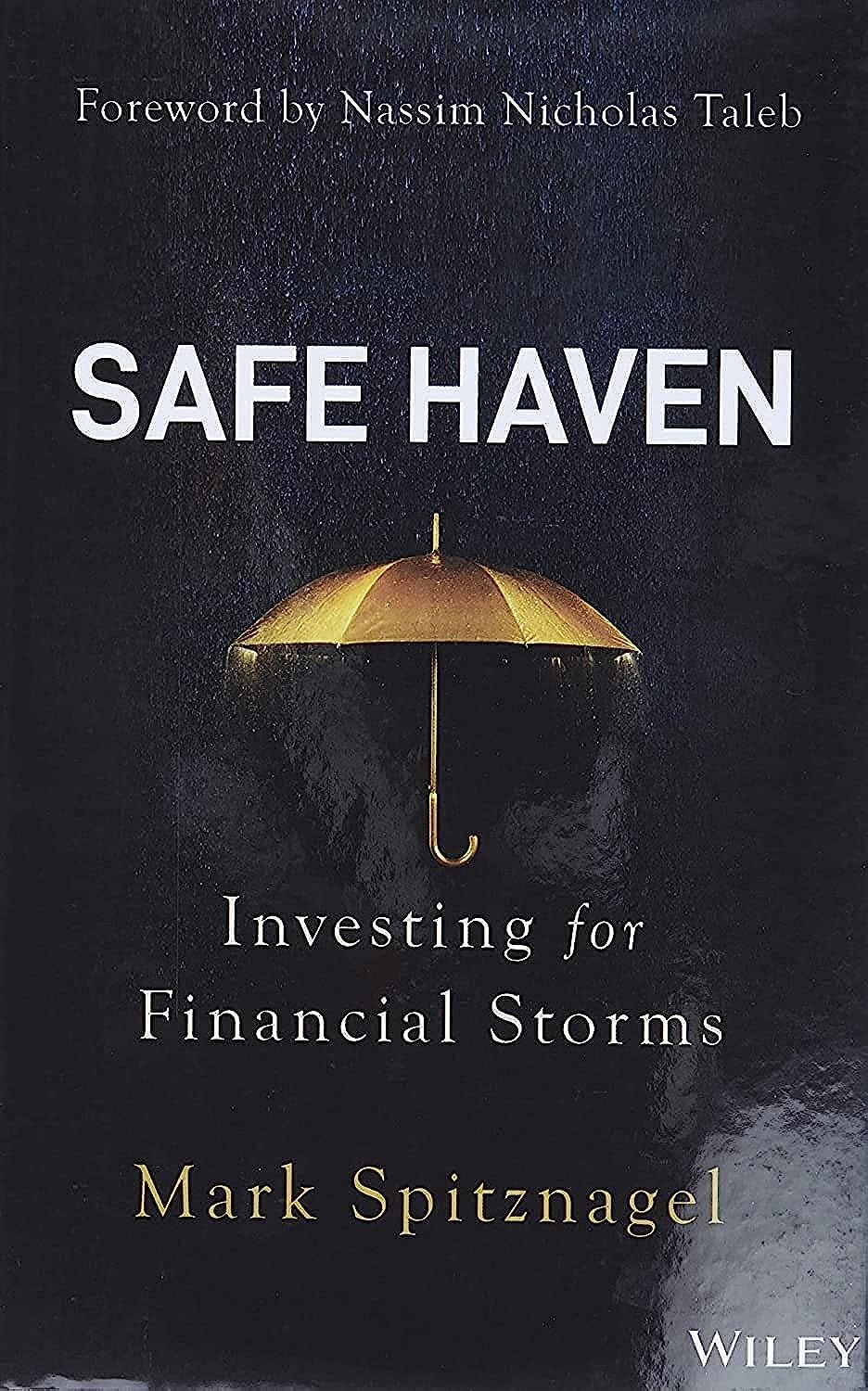
Safe Haven

Book Summary: Safe Haven by Mark Spitznagel

Principles Investing is a sequential process The only goal is to maximize wealth over time. Do not “narrow frame” it to focus only on annual returns. A risk mitigation strategy must lower risk and hence increase CAGR (Compounded Annual Growth Rate)

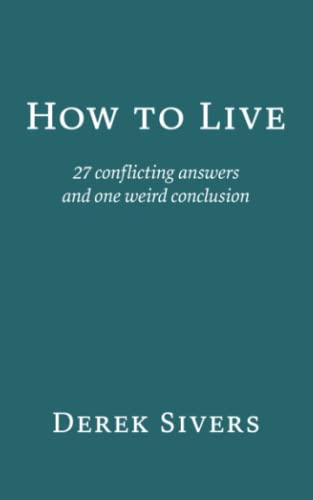
Notable quotes from "How to Live" by Derek Sivers

Notable quotes from "How to Live" by Derek Sivers

Some notable quotes from " How to Live" by Derek Sivers. It consists of 27 stories independent of each other. Some contradict ideas from others. And that’s what makes this short read even more provocative.

What I learned losing a million dollars by Jim Paul

Book Summary: What I learned losing a million dollars by Jim Paul

“What I learned losing a million dollars” covers the iconic rise and fall of Jim Paul in the Chicago Mercantile Exchange as a trader.

Thinking In Bets by Annie Duke

Book Summary: Thinking In Bets by Annie Duke

Thinking In Bets is a book by professional poker player Annie Duke. Its a book about better decision making under uncertainty.

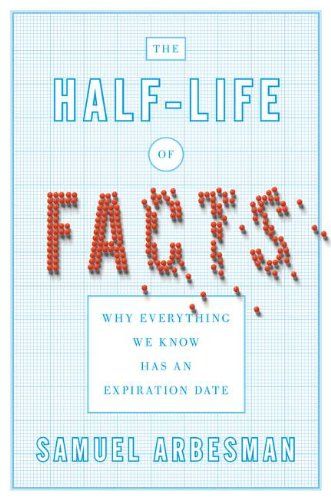
Half-life of Facts

Book Summary: The half-life of Facts by Samuel Arbesman

The Half-Life of Facts is a provocative book that makes us realize that a lot of facts that we believe are factually true get overturned over time. It gives several examples of facts that were later proven wrong or became more precise as our measurements and understanding improved.

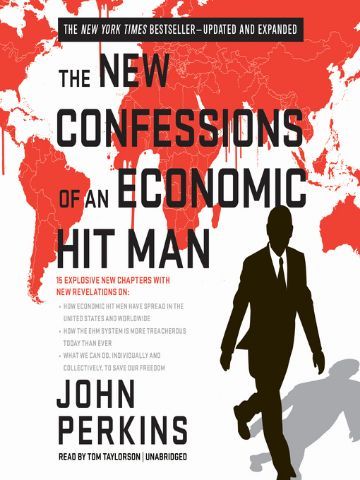
The New Confessions of an Economic Hit man

Book summary: The New Confessions of an Economic Hit Man

The book is a memoir of John Perkins who worked as an economic hitman.

The Mom Test by Rob Fitzpatrick

Book Summary: The Mom Test by Rob Fitzpatrick

The Mom Test is an intriguing book by Rob Fitzpatrick about how to do user research and validation of one’s product idea.